
Extending a Historic Brighton Home for Accessibility
Location
Brighton
Completion date
July 2024
Construction Time
6 months
Stages
From concept design to completion
When a homeowner in Brighton came to us with a mobility disability and a deep love for their historic property, the brief was clear: make this home work for the life they need to live, without compromising what makes it special. The result, a carefully considered ground floor extension connecting the main house to a former donkey stable, is one of our most rewarding projects to date, and offers some useful lessons for anyone in Brighton or Hove considering an accessible adaptation to an older property.
The Property: A Piece of Brighton History
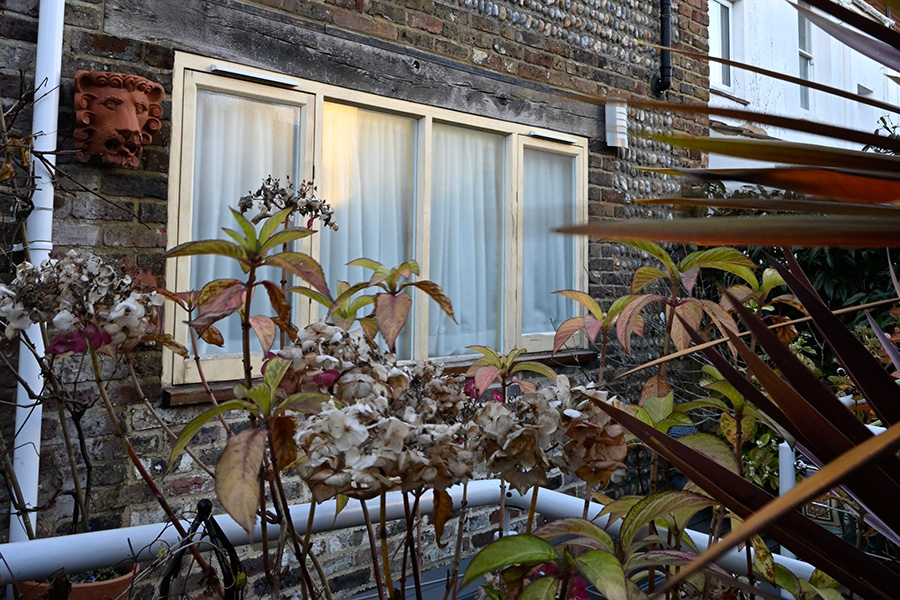
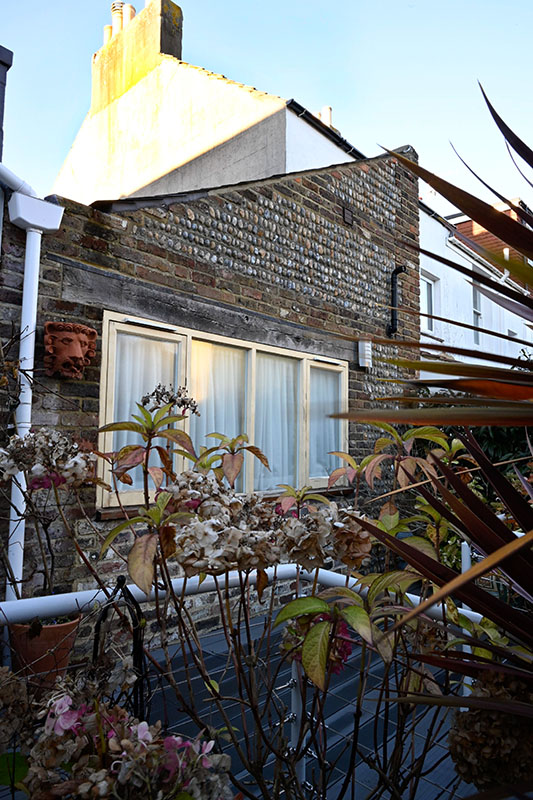
The Old Bakery is a historic home in Brighton that was once one of the city’s working bakeries. The property retains enormous character, including a remnant of the original bakery oven in the basement, along with a small detached stable in the garden that had fallen into disuse. It is exactly the kind of charming Brighton property that is wonderful to live in, but challenging to adapt.
The client’s disability meant that garden access had become difficult, and the layout of the house no longer suited their daily needs. They needed a new bathroom and better connectivity through the property, but they were rightfully protective of its character and history.
Navigating Householder Planning Permission in Brighton & Hove
The extension required householder planning permission from Brighton & Hove City Council. This is the standard planning route for most residential extensions in the city and, while less complex than a full planning application, it still requires a well-considered design that responds to the character of the area and the existing building.
Brighton & Hove has a large number of conservation areas, Listed Buildings, and properties within the South Downs National Park boundary, all of which come with additional design scrutiny. The Old Bakery is not Listed, but its historic character informed our design approach throughout. We knew the Council would want to see that any extension respected the fabric and appearance of the original building, and that is exactly what we designed for.
For homeowners in Brighton and Hove considering a similar project, it is worth knowing that even modest extensions to older properties can attract close attention from the planning department. Having an architect prepare and submit the application, means the design is presented in its best light, with supporting documentation that addresses the council’s likely concerns proactively.
The Design: Connecting Old to Old
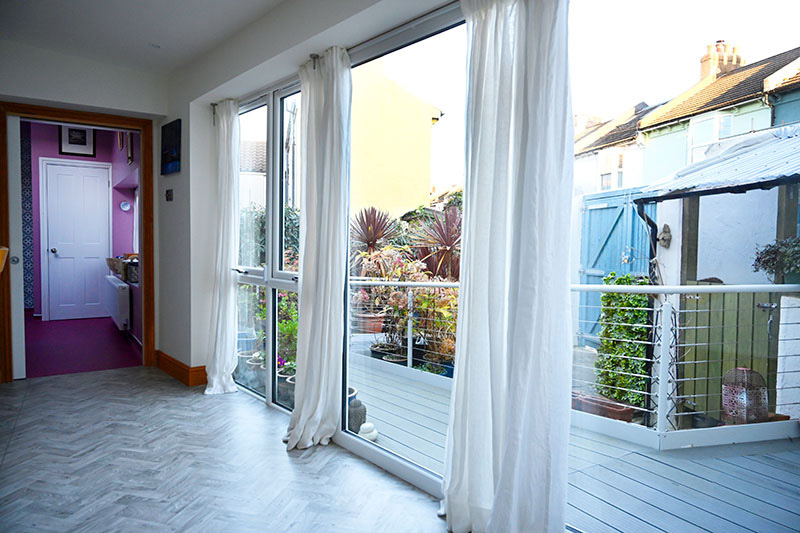
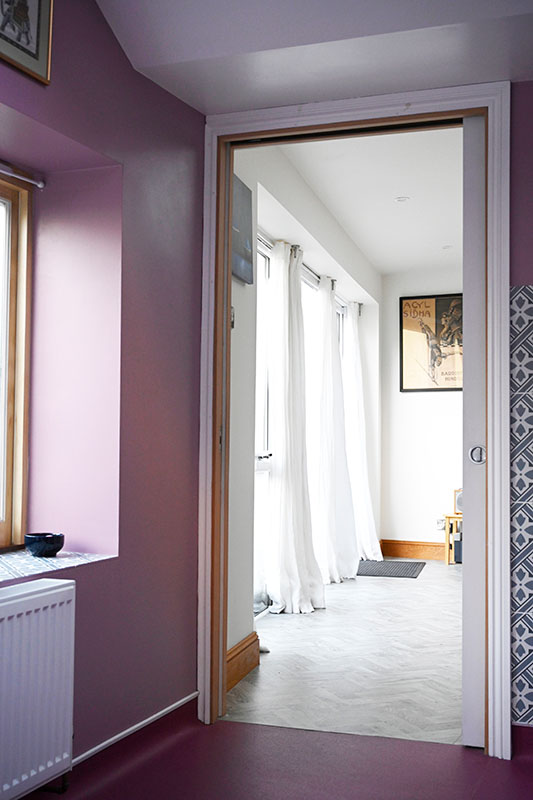
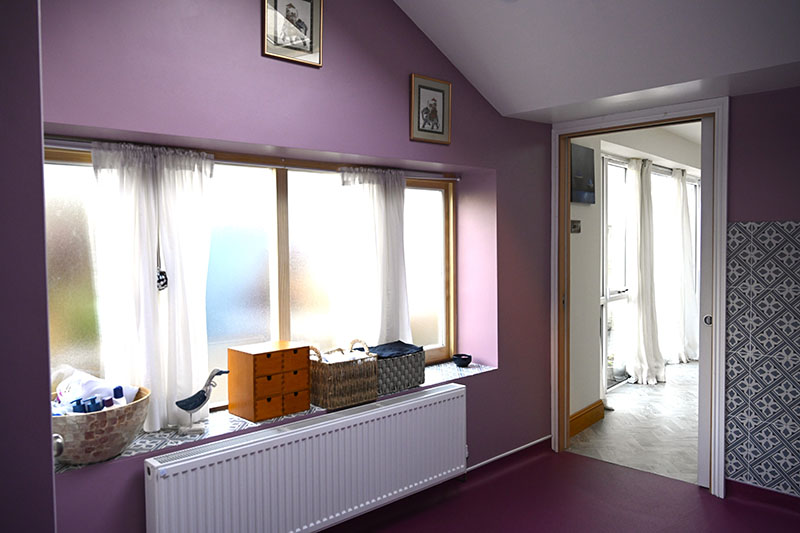
Our concept was to use the new extension as a quiet link between the main house and the stable, rather than as a statement piece in its own right. The stable itself was retained and refurbished, as it is too important to the character of the property to lose, and the extension creates a seamless flow between the two structures, giving the client an extended living room and a new accessible bathroom.
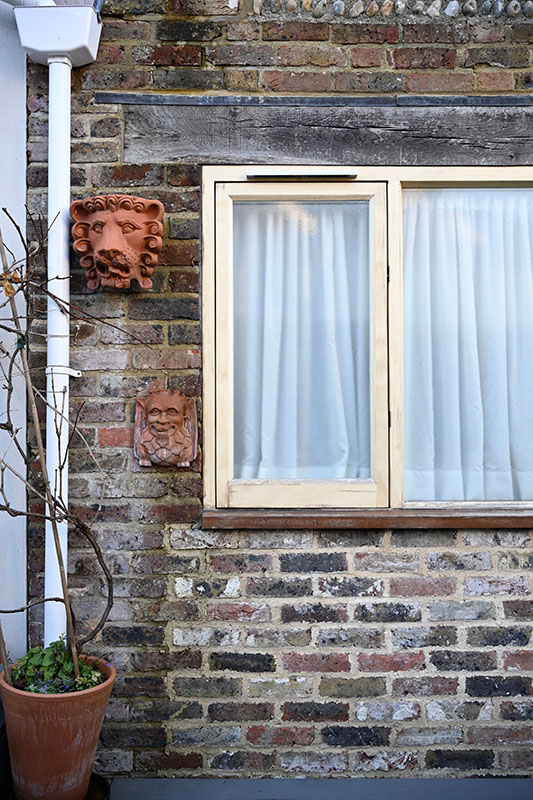
The design is intentionally modest. It does not compete with the historic buildings it connects. Materials were chosen to sit sympathetically alongside the existing brick and stonework, and the scale was kept deliberately low. The goal was for a visitor to feel that the extension had always been there.
An Unusual Technical Challenge: Designing Around a Victorian Bakery Oven
One of the more unusual aspects of this project was the presence of the original bakery oven in the basement of the main house, adjacent to the proposed extension. A standard strip or pad foundation for the new extension would have introduced additional loads into the ground close to the existing basement structure, risking movement or damage to the historic fabric below.
The solution was a rafter foundation, a system that distributes the load of the new structure in a way that protects the integrity of the basement alongside it. This is the kind of challenge that only emerges once you begin to look carefully at a historic building, and it is why a thorough survey and thoughtful structural design are so important before work begins. The oven remains intact in the basement, preserved as part of the property’s history.
Designing for Accessibility Without Compromising Character
Accessibility was central to the brief from the outset. The client has a specific mobility disability, and the project needed to address this meaningfully, not as an afterthought, but as a core design driver.
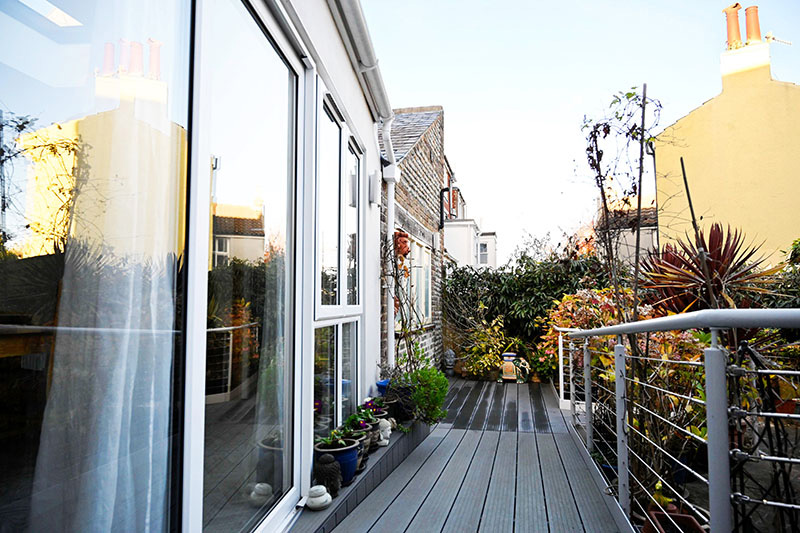
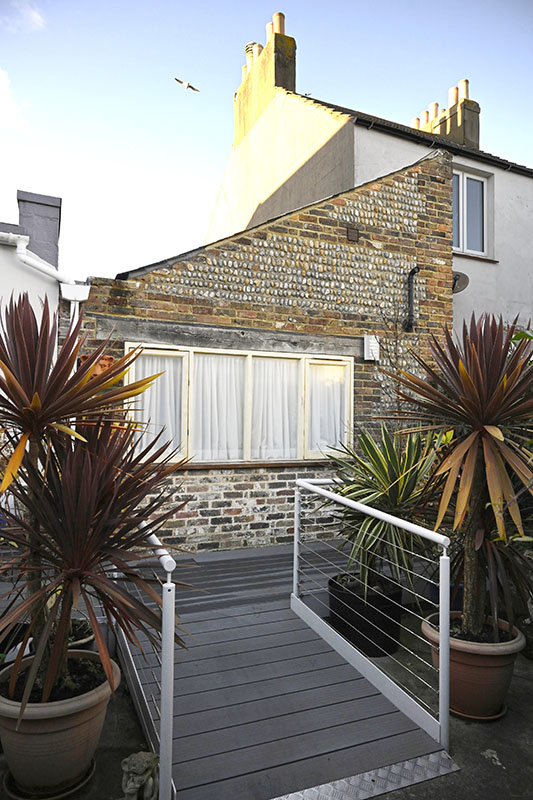
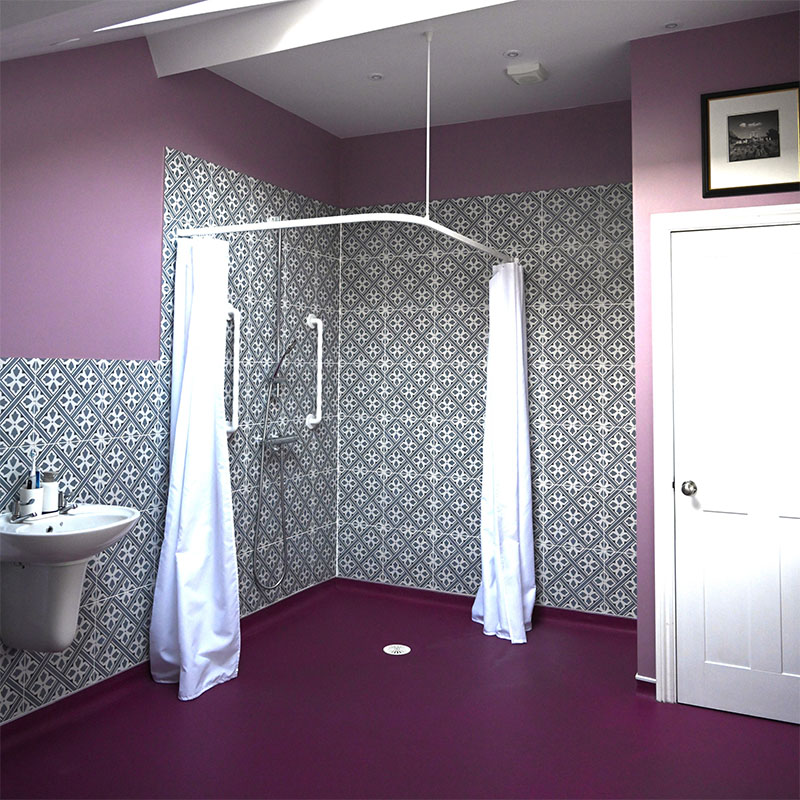
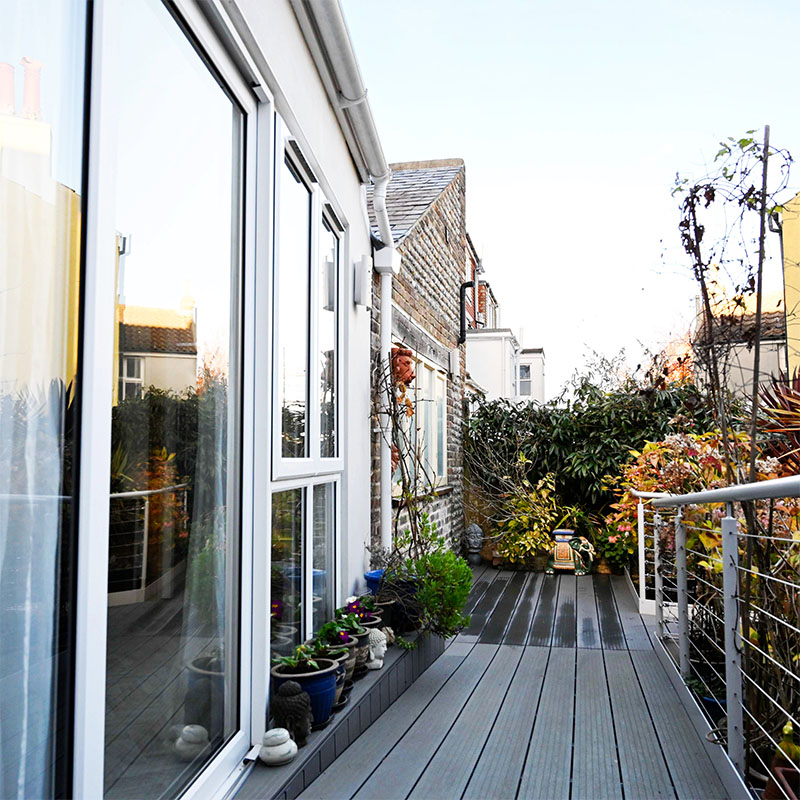
The new bathroom is fully accessible, designed around the client’s needs. Garden access, previously impossible, is now provided via a composite ramp with a wire balustrade, which offers the structural support and grip needed while remaining visually light and sympathetic to the garden setting. The level of detail in these decisions matters enormously: the gradient of the ramp, the height and rigidity of the balustrade, the surface texture underfoot. For a client with a mobility disability, these are not details, they are the difference between using a space and not.
One of our core beliefs as a practice is that accessible design does not have to look like accessible design. The ramp at The Old Bakery does not announce itself. It sits naturally within the garden, and a visitor who did not know it was there for accessibility reasons would simply see a considered piece of landscape design.
What Brighton & Hove Homeowners Should Know About Accessible Extensions
If you are a homeowner in Brighton or Hove with a disability or mobility need, or if you are planning for the future, here are the key things to consider when thinking about an accessible adaptation or extension:
Funding may be available. Disabled Facilities Grants (DFGs) are available through Brighton & Hove City Council for eligible homeowners and tenants. These grants can cover a significant portion of the cost of adaptations. Having an architect involved from the start can help you make the most of a DFG, ensuring the design goes beyond the minimum and truly improves your quality of life.
Historic properties need careful handling. Brighton has a particularly rich stock of Victorian, Edwardian and Georgian housing. Older properties often present structural surprises, as The Old Bakery demonstrated, and may be in or near conservation areas. An architect who understands both accessibility requirements and the constraints of historic buildings is essential.
Planning permission may be required. Not all accessible adaptations fall within permitted development. Extensions, structural alterations, and changes to the external appearance of a building will usually require householder planning permission. In conservation areas or for Listed Buildings, the bar is higher still.
Good design makes a real difference. An accessible adaptation designed by an architect with genuine expertise in disability and mobility needs will go further than one specified by a building contractor working from a standard schedule. The difference is in the detail, and in the understanding of how a person with a specific disability actually lives in and moves through a space.
Working With Us
Grumitt Wade Mason is a RIBA-accredited architecture practice based in Portslade, Brighton. We specialise in design for disability and accessible adaptations, alongside a full range of residential architecture services across Brighton, Hove and the surrounding area.
We work with clients who need their home to work better for them, and who want the result to be something they are genuinely proud of. If you are considering an accessible extension, adaptation, or any other architectural project in Brighton or Hove, we would be glad to hear from you.
Get in touch with our Brighton-based team at or visit our Design for Disability page to learn more about our accessibility work.


Recent Journals
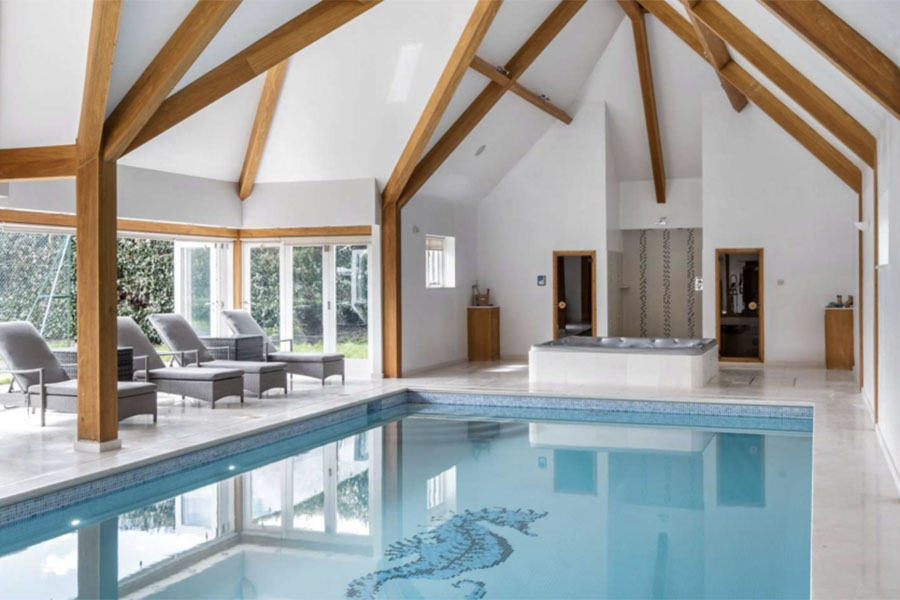
How to Design a Hydrotherapy Pool at Home — Everything You Need to Know
Director of Grumitt Wade MasonIn recent years, we have been asked on a regular basis to consider whether a property could accommodate a hydrotherapy pool to meet the client’s needs. We ask a range of questions with the family and therapist to determine what is...
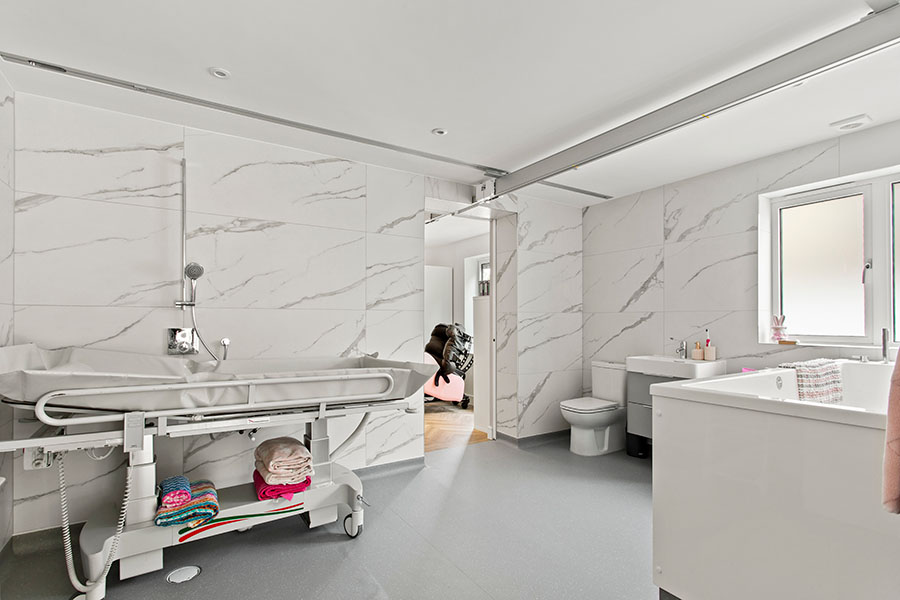
What to Consider When Buying a Home if You Have a Disability
Director of Grumitt Wade MasonFinding the right home when you have a disability, mobility challenge, or sensory need goes beyond location and budget, it is about a property that works for you now and in the future. As architects specialising in accessible and...
Office Culture in Design Firms: What Makes an Architectural Office Unique?
Administrative and secretarial supportWhen you think of an architectural office, you might imagine long hours spent hunched over plans, creative debates about design, or quiet moments of inspiration as an architect sketches out a new project. But the culture within an...