How to Design a Hydrotherapy Pool at Home — Everything You Need to Know
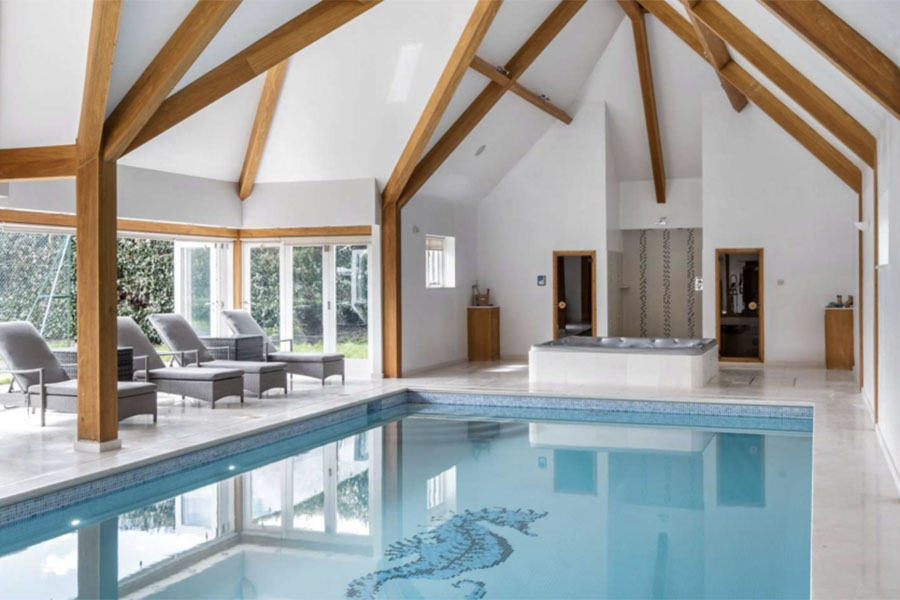
In recent years, we have been asked on a regular basis to consider whether a property could accommodate a hydrotherapy pool to meet the client’s needs. We ask a range of questions with the family and therapist to determine what is actually required as we have found that there is a level of confusion around this specific requirement of a hydropool.
A hydrotherapy pool is a bespoke warm-water environment designed to aid rehabilitation, therapeutic exercise and pain management. Water temperatures are typically maintained between 32°C and 36°C, with surrounding air temperatures at approximately 30°C. This makes hydrotherapy pools significantly warmer than standard domestic swimming pools. They also frequently include tailored features such as submerged handrails, integrated seating or ledges, resistance and massage jets, and other equipment designed to support therapy sessions. The depth is tailored to each client’s individual needs, however we find that 1.2 metres water depth is the most common standard, deep enough for effective therapy, while allowing carers to assist safely without losing balance or stability.
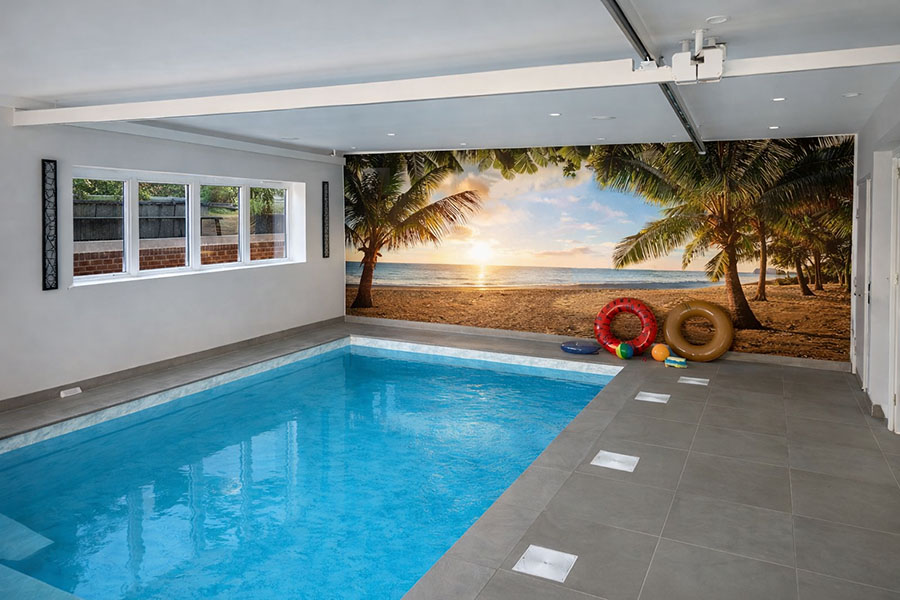
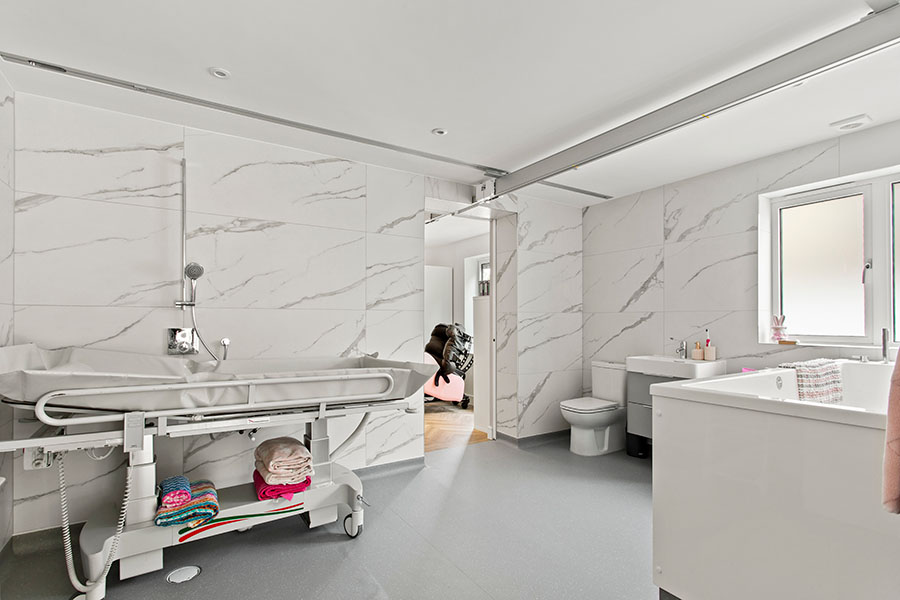
When designing for a hydropool, we need to consider items such as size of pool, depth, location in association with changing facilities, access into pool, facilities for therapists (such as changing rooms), storage of equipment and space surrounding the pool for manual handling and egress in case of emergency. We work with a range of experts to provide a facility that can accommodate these requirements. We can also recommend specialist therapists where needed to provide guidance on ensuring that the hydropool can best meet the clients’ needs.
Due to the energy a hydropool takes, it is important to consider the services that are currently provided to the property. Normally, the electric supply needs to be increased to 3 phase supply and it is important to determine whether this can be provided and the cost of providing the supply into the property. If possible, we also normally advise that renewable energy is incorporated into the design to help offset some of the running costs of the hydropool, such as solar panels.
There are many companies that advertise stating they can provide a hydropool. However, it is important to ask relevant questions to ensure that they have the experience to provide the facility due to the differences of this installation compared to a conventional pool. We would always advise that references are taken and it is checked that they have the correct professional indemnity insurance to design the facility. This will help to reduce the chances of any problems occurring with the installation.
If a hydropool is designed incorrectly, there are a range of problems that could occur. This could include items such as high levels of condensation, damage to the fabric of the building, not meeting temperatures recommended by the therapists and air contamination into adjoining rooms. If any of these issues occur, it can have a significant cost impact on the remedial work required to remedy problems.
In some occasions, we are asked to install a hot tub or swim spa as an alternative to a bespoke hydropool. This is something we do consider and discuss with the family, as it can meet the therapeutic needs of the client. However, there are limitations to these installations such as size and shape, which can compromise the requirements. Therefore, this is discussed on an individual basis over whether this could meet the requirements.
If you are considering installing a hydrotherapy pool, we would be happy to discuss your initial requirements and guide you through the process, from the specialist consultants to appoint, to the design decisions that will shape the final result. As architects specialising in hydrotherapy pool design and inclusive design for disability, we bring both the technical expertise and the human-centred approach that a project like this requires. We work across the South of England and have recently worked on hydropool projects in Greater London, Kent, Surrey, and the Isle of Wight.
Recent Journals
What to Consider When Buying a Home if You Have a Disability
Director of Grumitt Wade MasonFinding the right home when you have a disability, mobility challenge, or sensory need goes beyond location and budget, it is about a property that works for you now and in the future. As architects specialising in accessible and...
Office Culture in Design Firms: What Makes an Architectural Office Unique?
Administrative and secretarial supportWhen you think of an architectural office, you might imagine long hours spent hunched over plans, creative debates about design, or quiet moments of inspiration as an architect sketches out a new project. But the culture within...

Dormans Youth Arts Centre – Preparing for Planning
We are preparing a planning application for the redevelopment of Dormans Youth Arts Centre in Gossops Green, Crawley. Originally built in 1965, the centre has long been a cornerstone for local young people, offering creative, social, and recreational programmes.The...